
By Jeslyn Lerh and Florence Tan
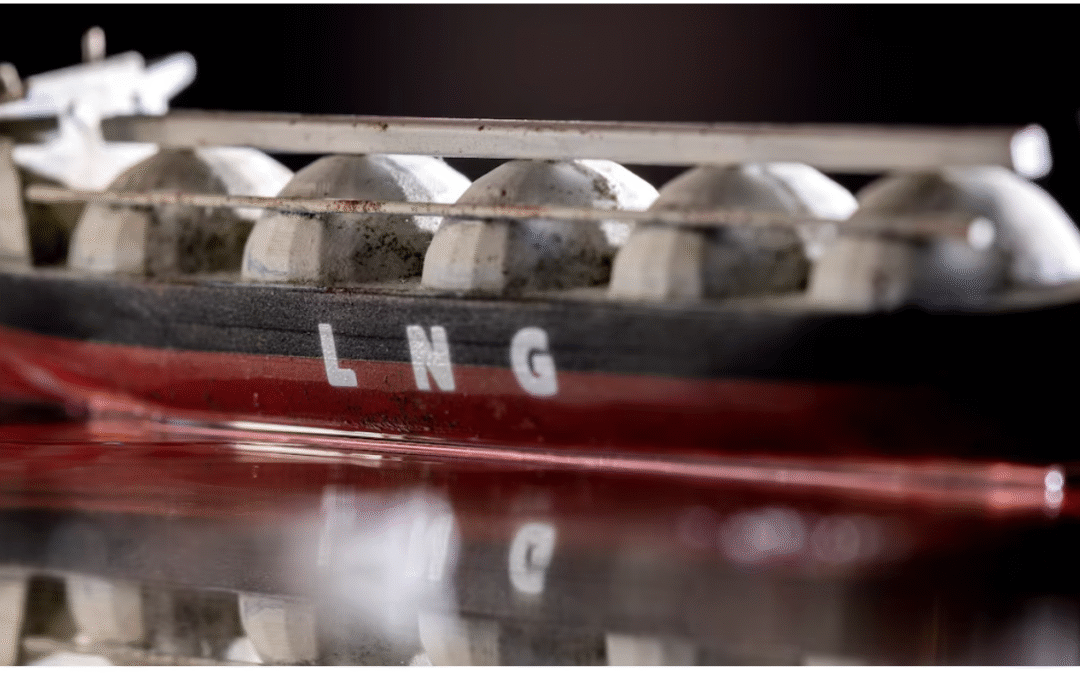
Global demand for liquefied natural gas (LNG) as a marine fuel is expected to more than double by 2030, due to abundant supply and tightening emissions regulations. Analysts forecast global LNG bunkering volumes surpassing 4 million tons by 2025 and potentially reaching 15 million tons by the end of the decade. Massive export projects in the U.S. and Qatar are expected to push down LNG prices, improving competitiveness against fuel oil. Shipping executives highlight LNG’s immediate advantages: existing infrastructure, wide availability, and near-term affordability compared to emerging alternatives such as methanol or ammonia.
Currently, 781 vessels are capable of running on LNG, with the figure projected to climb to over 1,400 by 2030. Companies like Maersk, Mitsui O.S.K. Lines, and TotalEnergies are investing heavily in LNG dual-fuel ships, showing LNG’s role as a transitional decarbonization option. Refueling with LNG reduces emissions by about 19% compared to fuel oil on a well-to-wake basis, though long-term alternatives may still be required to reach net-zero goals. Regulatory developments, such as Europe’s FuelEU regulation and the IMO’s upcoming emissions framework, are expected to accelerate LNG adoption despite current price premiums over conventional fuels.
FACS Perspective
At FACS, we see LNG’s rise as evidence of how regulation and market forces converge to shape the decarbonization pathway for shipping. While LNG is not a zero-carbon fuel, its availability, infrastructure, and near-term cost advantages make it a pragmatic compliance choice for shipowners under EU ETS and upcoming CBAM rules.
This article is based on reporting by Reuters. All rights, including copyright, belong to Reuters and the original authors.