
Based on reporting by Charlie Currie.
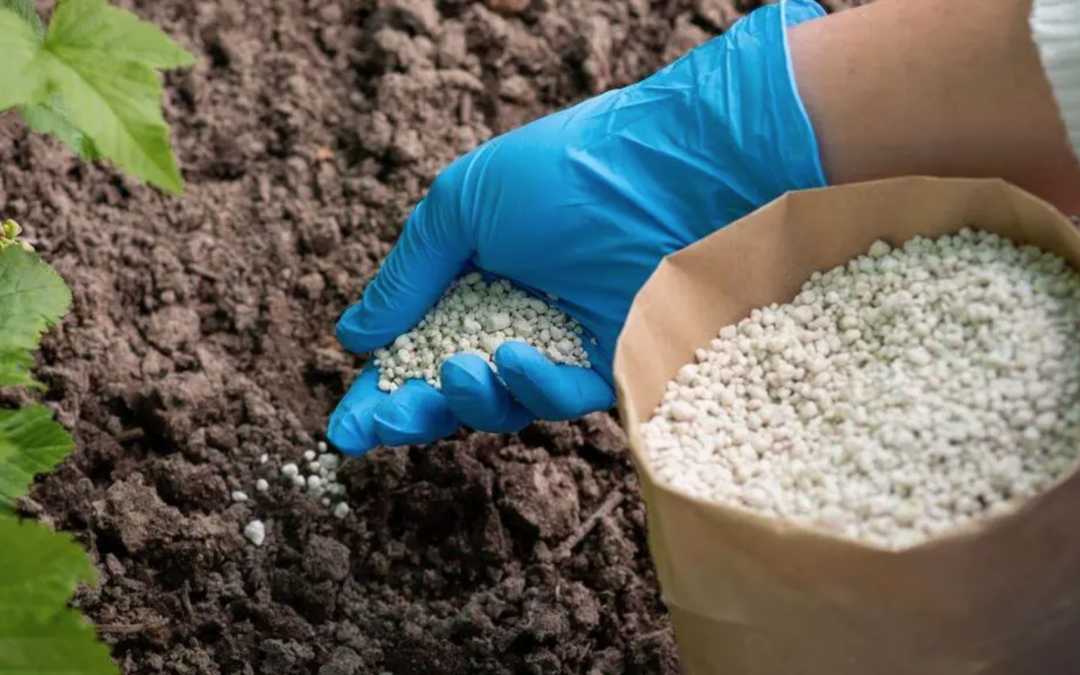
European policymakers have reaffirmed their commitment to the Carbon Border Adjustment Mechanism by rejecting calls to suspend the mechanism for fertilizer imports, despite pressure from several EU member states concerned about rising agricultural costs. The European Commission instead opted for a narrower approach. The choice was to maintain CBAM coverage for fertilizers to preserve the integrity of the carbon pricing framework while proposing temporary tariff relief on certain products such as ammonia and urea to cushion farmers from price increases.
The decision follows strong lobbying from hydrogen and ammonia industry groups, which warned that suspending CBAM would undermine investment confidence in low-carbon fertilizer production based on clean hydrogen. For emerging projects across the ammonia and hydrogen value chain, policy stability is viewed as essential to unlocking multi-billion-euro investments aimed at decarbonizing one of the world’s most energy-intensive industrial sectors.
FACS Perspective
At FACS we see this development as a clear illustration of the political balancing act that surrounds CBAM and broader carbon-pricing policy. Governments are increasingly attempting to reconcile industrial decarbonization, agricultural affordability, and trade competitiveness within a single regulatory framework. This often produces hybrid solutions that preserve the core mechanism while adjusting surrounding policies.
For companies operating in carbon-intensive supply chains, this means regulatory outcomes will rarely be binary. Instead, evolving policy layers must be analyzed together. In this environment, forward-looking carbon market advisory, scenario modeling, and regulatory intelligence are becoming critical tools for managing exposure, protecting investment decisions, and maintaining strategic resilience as CBAM and global carbon trade policies continue to evolve.
This article is based on publicly available reporting. All rights, including copyright, remain with the original source.