
Based on reporting by Igor Todorović
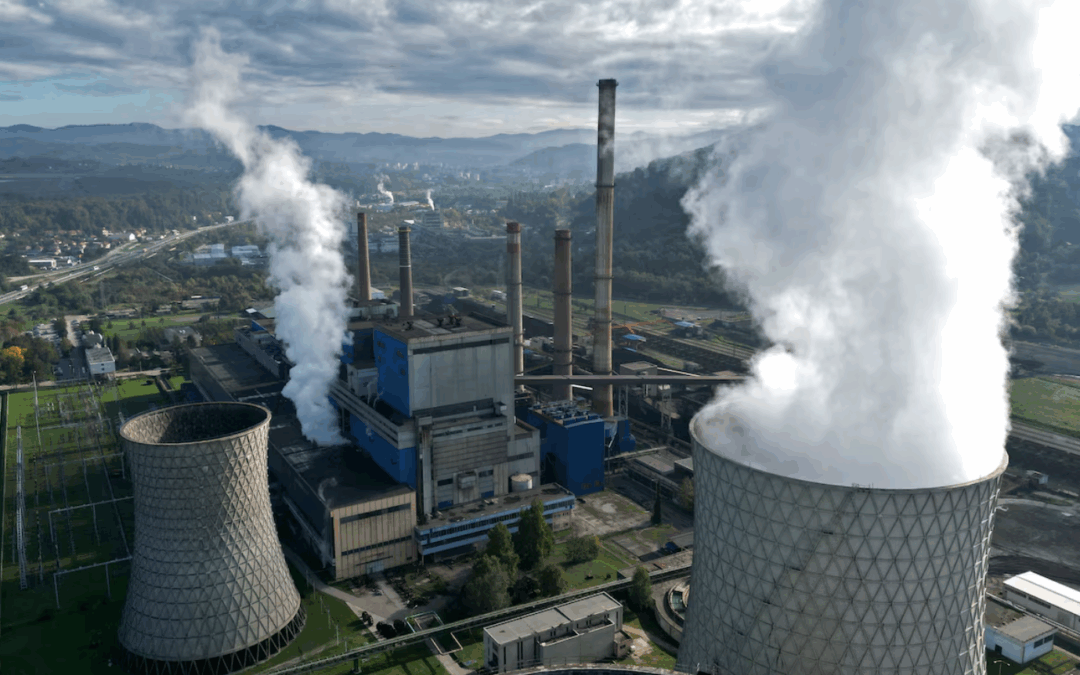
Recent developments from the Western Balkans show growing political pressure to adjust the rollout of the EU’s Carbon Border Adjustment Mechanism (CBAM), particularly in relation to electricity imports. Regional stakeholders are calling for an earlier or more flexible exemption of electricity from CBAM coverage, arguing that current timelines risk destabilizing cross-border power trade and undermining market integration with the EU. The request reflects several tensions. Firstly, the Western Balkans electricity systems remain heavily reliant on coal-based generation and are not yet fully aligned with EU carbon pricing architecture. Therefore, immediate CBAM exposure risks significant trade friction, potentially reducing electricity exports into the EU market due to higher implicit carbon costs. Governments in the region are seeking transitional arrangements that would allow time for gradual integration into EU ETS-like mechanisms or equivalent carbon pricing frameworks.
At the same time, concerns are mounting that uneven readiness across neighbouring power markets could fragment regional electricity trade and slow investment in grid modernization and cleaner generation. Electricity trade in Southeast Europe is increasingly being shaped by carbon exposure, compliance readiness, and regulatory alignment with EU climate policy.
FACS Perspective
At FACS, we view these developments as part of a broader adjustment phase in European energy integration. CBAM is beginning to function as a structural driver of convergence between carbon and electricity markets. However, the Western Balkans case illustrates the transitional friction inherent in this process. Managing divergence in carbon pricing systems will be critical to maintaining market stability, while still preserving the long-term trajectory toward decarbonized and fully integrated regional power markets.
This article is based on publicly available reporting by Balkan Green Energy News. All rights, including copyright, remain with the original source