
Based on reporting by Chia-Erh Kuo
As the EU’s CBAM enters into effect the Asian economies are getting ahead of the curve. By developing domestic carbon pricing policy ecosystems, Asian countries are attempting to keep revenues at home instead of paying levy at EU borders through these domestic ecosystems. Japan and South Korea already operate mature carbon pricing systems covering up to 79% of emissions in different cases. Both are major exporters to the European Union thus the positive effects on revenues are proportional.
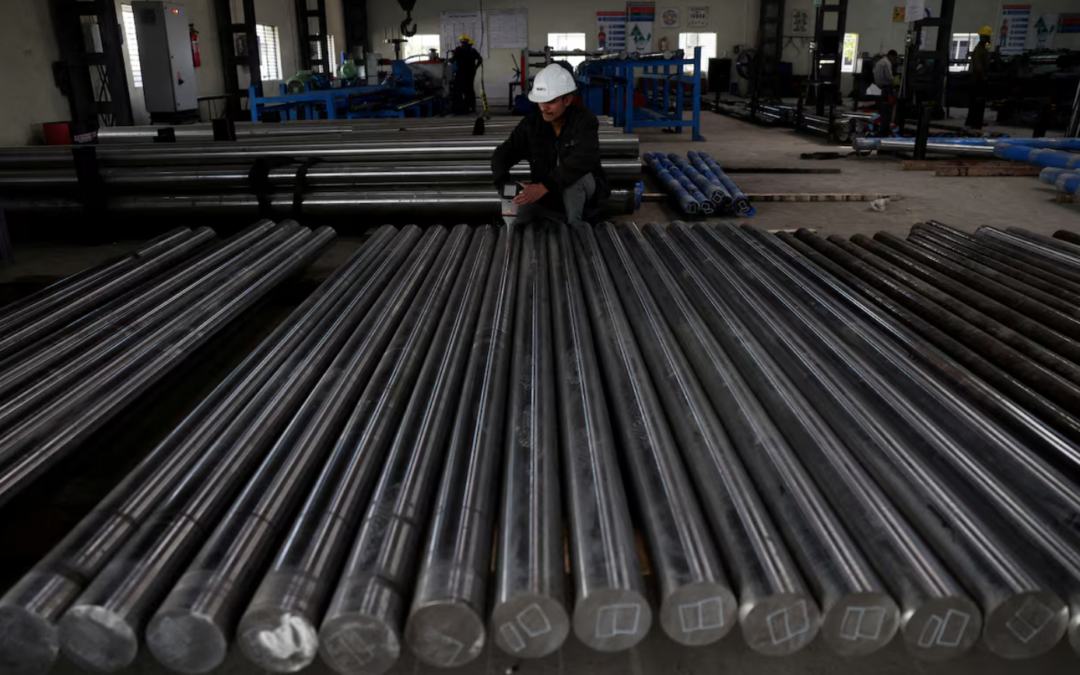
On the other hand, for economies like Indonesia, Vietnam and the Phillipines carbon crediting systems are also slowly becoming a major regulatory tool despite the lack of consolidated mechanisms at the moment. The main exports from both the first and second group of countries that are affected by CBAM policies and costs are centered on steel and iron. Nevertheless, reporting suggests that instead of targeting carbon removal to offset the mechanisms in these sectors, the Asian economies should focus on electrification and energy efficiency
FACS Perspective
At FACS we believe that a strategic approach towards interaction with CBAM policies while remaining adherent to decarbonization principles is the way forward for both businesses and governments seeking to navigate the economic repercussions of the EU’s project coming into effect. Careful handling of the regulatory landscape is necessary. However, this does not equate to a necessary loss of revenue or a sacrifice of economic prosperity.
Economic fallout from colliding carbon pricing mechanisms, trade dynamics and political volatility are three critical vectors to consider when adjusting carbon market treatment. Companies require an organic approach, a bold but informed strategy, and the security that experienced carbon market professionals can offer to navigate the complexity, uncertainty and robustness of this future dynamic landscape.
This article is based on publicly available reporting by Carbon Pulse. All rights, including copyright, remain with the original source.