
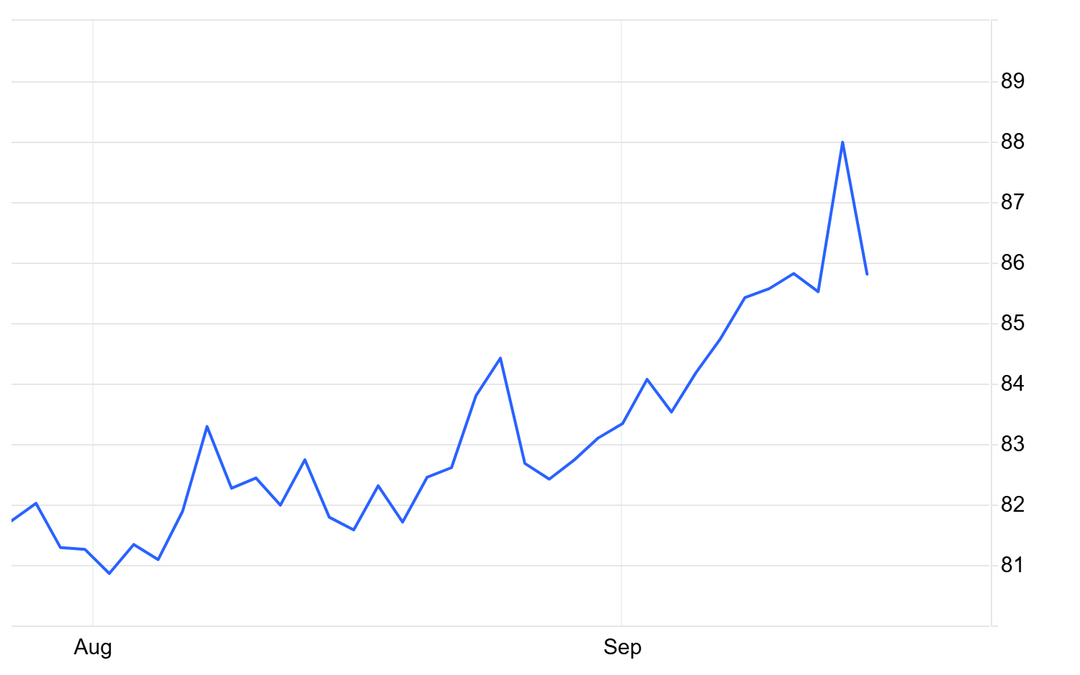
The bullish EUA price move to €85.52/t and the approach toward €87/t can be read as a reflection of uncertainty around the direction of the ETS reform. Parliament is targeting a new negotiating position by mid-December which is keeping policy risk high. The strongest bullish interpretation is that the proposed reforms do not necessarily loosen the market immediately. The 260 Mt international-credit mechanism would only operate from 2036 and is conditional on future rules and a 2033 review. Until then, the existing EUA compliance structure remains the dominant pricing mechanism. This supports near-term scarcity expectations and therefore the technical move above €85.
However, the longer-term fundamentals are more bearish. The proposed reforms could increase covered-sector emissions by 2.9bn tons through 2050, implying a potentially looser carbon constraint over time. Last week’s aviation proposals similarly introduce new incentives without fully rewarding all lower-contrail technologies. The €87–88 target therefore looks plausible but the rally is occurring ahead of major policy decisions. If Parliament moves toward a less stringent framework in December, the current rally could face fundamental resistance. If reforms preserve scarcity, €88 could be a stepping stone higher.